
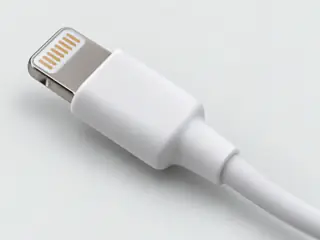
 Computer-generated illustration
P017 / Mobile / Connector
Lightning connector
Identify the connector and accessory purpose separately.
Connector library
Browse the source-linked collection. Every record separates documented facts from the things a shape or label cannot tell you.
226 field notes
Source checked · independent review pendingComputer-generated illustration with prior AI visual review. Not a photograph, measurement or compatibility check. Independent technical and rights review pending.
USB plugs and ports, Thunderbolt and Lightning.
12 records
Computer-generated illustrationP017 / Mobile / Connector
Identify the connector and accessory purpose separately.
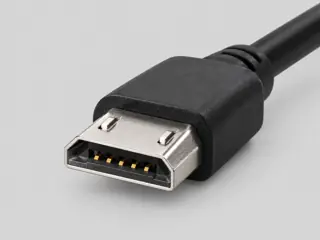 Computer-generated illustration
P006 / USB / Connector
Check for the extra section before calling a connector Micro-B.
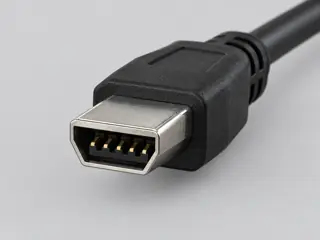 Computer-generated illustration
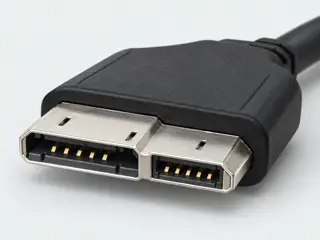 Computer-generated illustration
P007 / USB / Connector
The full connector is wider than the legacy Micro-B portion.
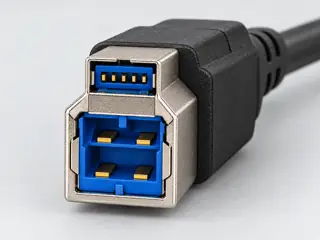 Computer-generated illustration
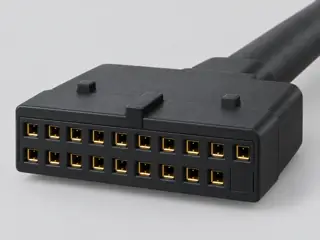 Computer-generated illustration
P263 / USB / Connector
This legacy internal USB header is not the same physical interface as the newer USB-IF Key-A front-panel connector for USB Type-C/front-panel use.
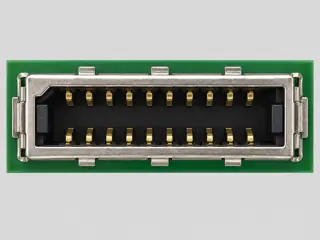 Computer-generated illustration
P264 / USB / Connector
Key-A is a specific internal mating interface and must not be conflated with the older 19-pin USB 3.0 front-panel header or with external USB Type-A/Type-C connectors.
P370 / USB / Connector
A historical connector label does not prove the present-day device role or USB behavior.
P371 / USB / Connector
Receptacle identity, exact part construction and device behavior require separate evidence.
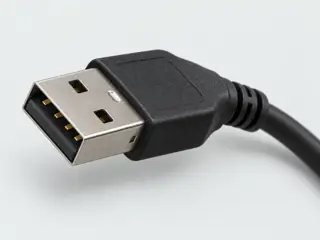 Computer-generated illustration
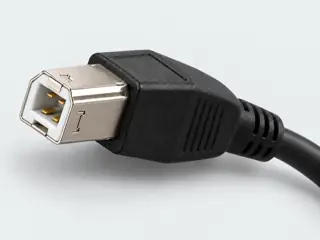 Computer-generated illustration
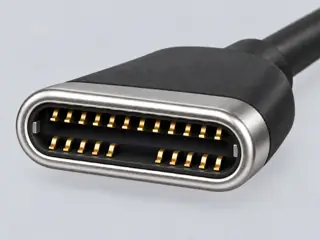 Computer-generated illustration
HDMI, DisplayPort, DVI, VGA, analog video and docks.
15 records
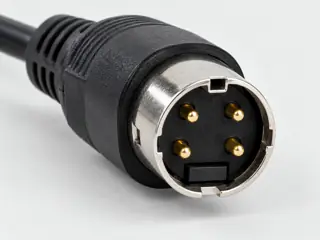 Computer-generated illustration
P109 / Video / Connector
Same broad outline, different contact arrangement.
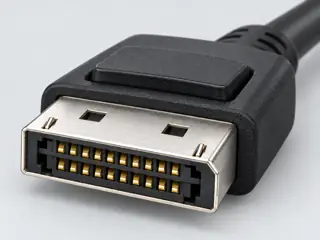 Computer-generated illustration
P011 / Video / Connector
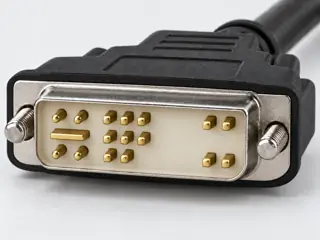
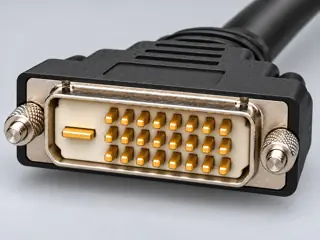
DisplayPort 2.1 on a label does not promise the highest UHBR rate.
 Computer-generated illustration
 Computer-generated illustration
P014 / Video / Connector
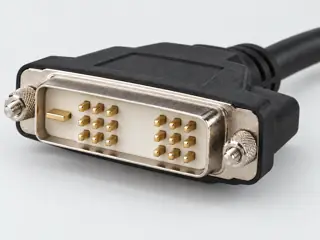
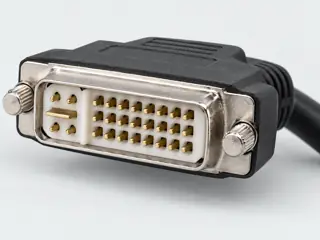
A full set of cable contacts does not prove the source drives both links.
 Computer-generated illustration
 Computer-generated illustration
P015 / Video / Connector
Extra contacts are a clue, not a promise of analog output from every device.
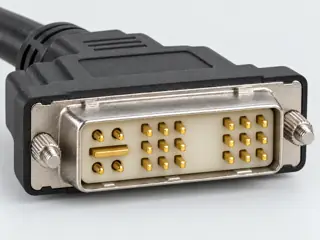 Computer-generated illustration
P116 / Video / Connector
Inspect the arrangement; verify the implemented signal.
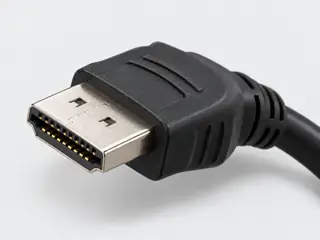 Computer-generated illustration
P008 / Video / Connector
A full-size HDMI socket does not prove a particular HDMI feature set.
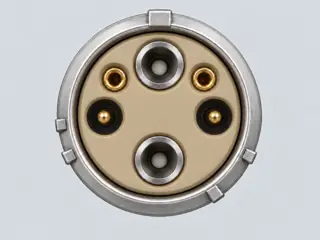 Computer-generated illustration
P258 / Video / Connector
A standard designation is not enough to approve a cable assembly or powered camera link; exact connector, cable, cleaning, power and equipment requirements still apply.
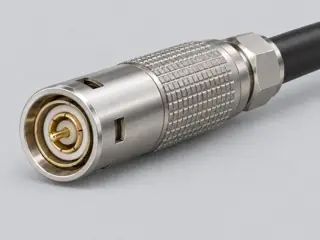 Computer-generated illustration
P312 / Video / Connector
Triax family and impedance identify the interface class, not the camera/system standard, cable assembly, mating counterpart or complete electrical compatibility.
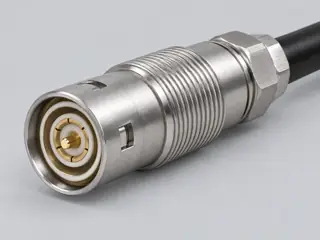 Computer-generated illustration
P313 / Video / Connector
Triax family and impedance identify the interface class, not the camera/system standard, cable assembly, mating counterpart or complete electrical compatibility.
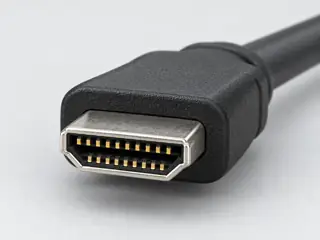 Computer-generated illustration
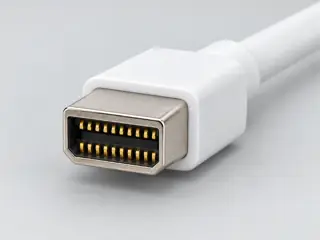 Computer-generated illustration
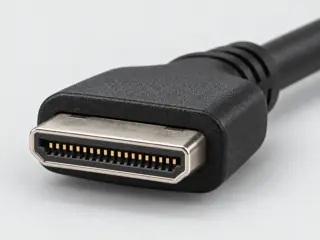 Computer-generated illustration
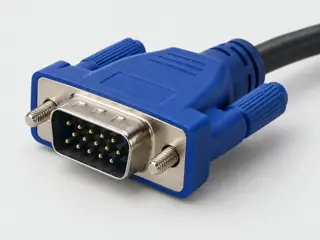 Computer-generated illustration
P016 / Video / Connector
The connector is not a digital HDMI or DisplayPort interface.
Jacks, XLR, RCA, optical audio and interface wiring.
18 records
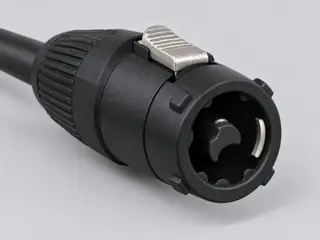 Computer-generated illustration
P127 / Audio / Connector
Loudspeaker connection does not mean mains power.
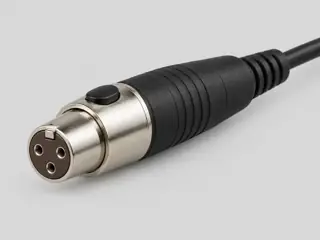 Computer-generated illustration
P309 / Audio / Connector
Mini-XLR family name and conductor count identify a connector form; they do not establish the connected device signal, power scheme or contact assignment.
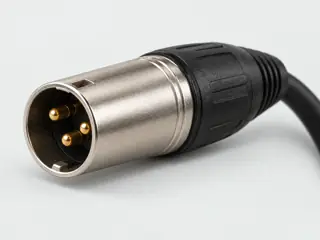 Computer-generated illustration
P026 / Audio / Connector
XLR shape alone does not establish the signal or power arrangement.
 Computer-generated illustration
 Computer-generated illustration
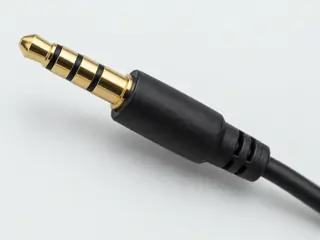
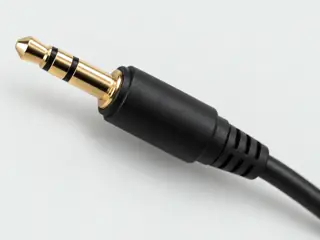
P019 / Audio / Connector
Three contacts do not, by themselves, describe the signal assignment.
 Computer-generated illustration
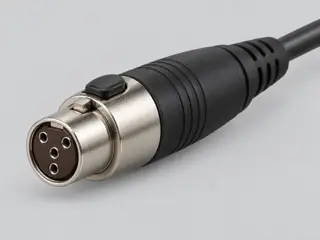
P310 / Audio / Connector
Mini-XLR family name and conductor count identify a connector form; they do not establish the connected device signal, power scheme or contact assignment.
 Computer-generated illustration
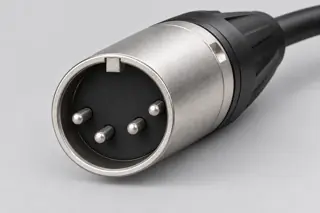
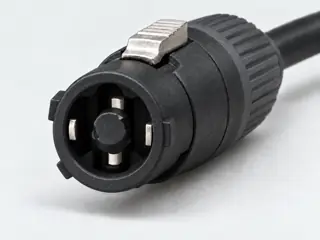
P206 / Audio / Connector
Pole count identifies the connector form, not the device signal, power scheme or pin assignment.
 Computer-generated illustration
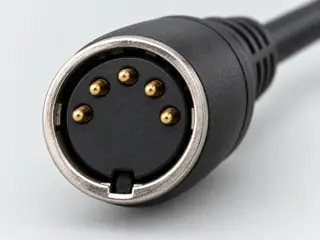
P128 / Audio / Connector
Four poles do not specify an amplifier wiring mode.
 Computer-generated illustration
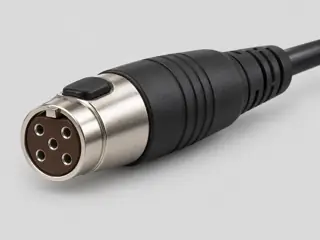
P110 / Audio / Connector
MIDI is a transport context, not every DIN socket.
 Computer-generated illustration
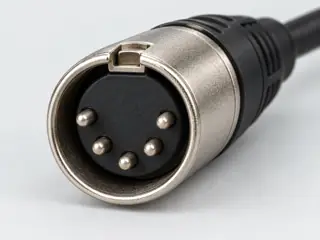
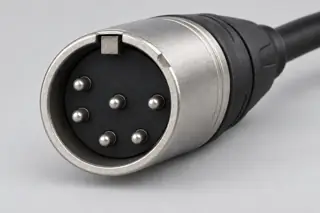
P311 / Audio / Connector
Mini-XLR family name and conductor count identify a connector form; they do not establish the connected device signal, power scheme or contact assignment.
 Computer-generated illustration
 Computer-generated illustration
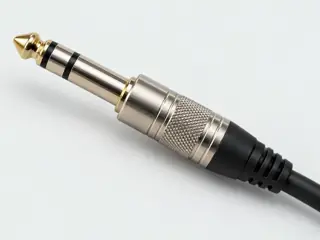
P207 / Audio / Connector
Pole count alone does not identify the application or electrical assignment.
 Computer-generated illustration
 Computer-generated illustration
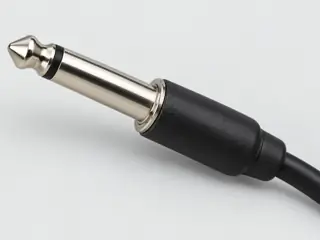
P021 / Audio / Connector
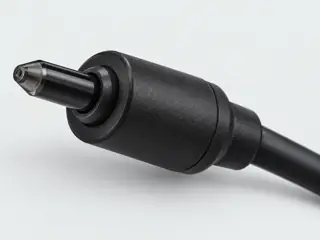
A quarter-inch plug is a size, not a complete audio specification.
 Computer-generated illustration
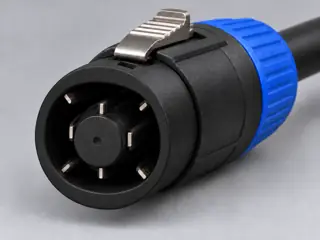
P208 / Audio / Connector
Eight poles do not define channel allocation, bridge mode or amplifier wiring.
 Computer-generated illustration
 Computer-generated illustration
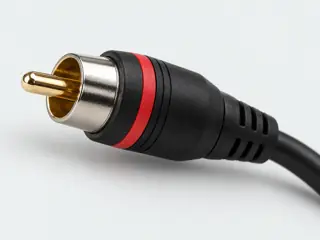
P023 / Audio / Connector
A matching RCA plug does not identify analog versus digital signaling.
 Computer-generated illustration
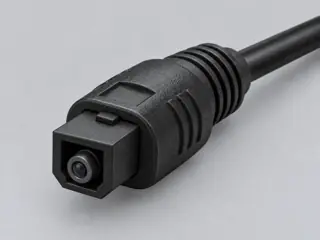
P024 / Audio / Connector
Optical shape matching still does not establish an audio-format match.
Mains, DC barrel, appliance couplers and charging.
61 records
 Computer-generated illustration
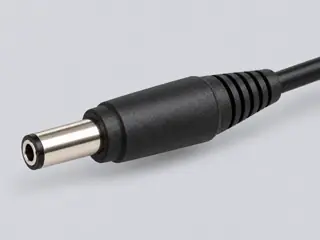
P028 / Power / Connector
Identification only. A plug that fits may still damage the device.
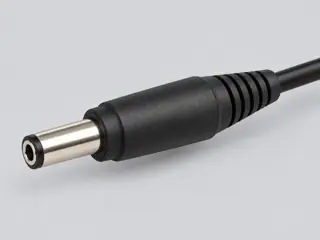 Computer-generated illustration
P363 / Power / Connector
The same outside diameter can hide a different bore. Establish the complete device requirement before choosing power.
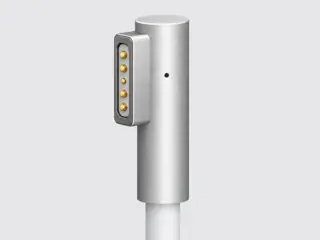 Computer-generated illustration
P356 / Mac power / Connector
The L versus T cable-exit style does not by itself tell you adapter wattage or compatibility with a specific Mac model.
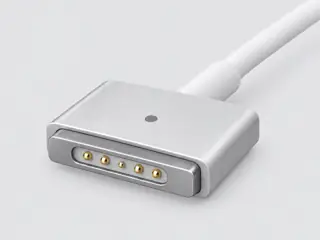 Computer-generated illustration
P357 / Mac power / Connector
Mac compatibility depends on the exact laptop and power adapter, not on the presence of magnets or a similar row of contacts.
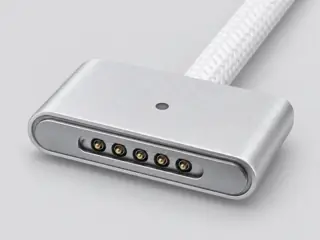 Computer-generated illustration
P364 / Mac power / Connector
Read the Mac generation and complete charging path. Original MagSafe and MagSafe 2 adapters are not MagSafe 3 chargers.
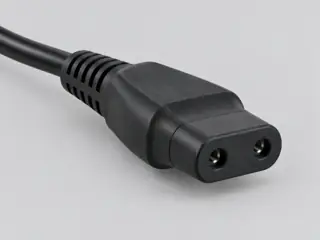 Computer-generated illustration
P299 / Power / Connector
IEC coupler identity and family rating context do not by themselves establish appliance voltage, cord-set approval, wiring, safe substitution or installation suitability.
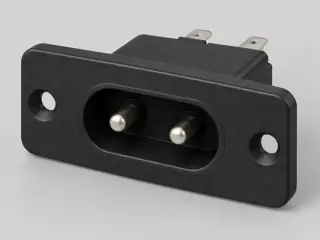 Computer-generated illustration
P300 / Power / Connector
IEC coupler identity and family rating context do not by themselves establish appliance voltage, cord-set approval, wiring, safe substitution or installation suitability.
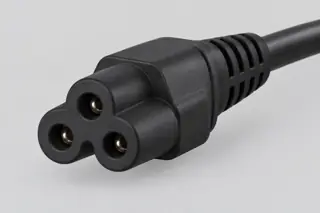 Computer-generated illustration
P211 / Power / Connector
C5/C6 identification does not establish the appliance rating or whether a cord is approved for that product.
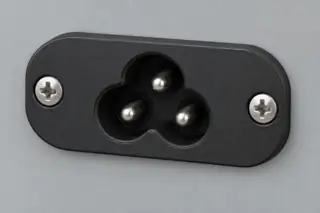 Computer-generated illustration
P212 / Power / Connector
The C6 inlet identifies a coupler family, not a complete mains-power requirement.
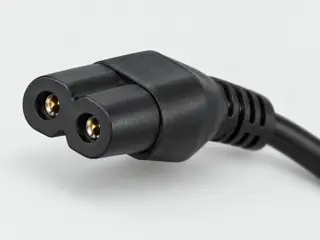 Computer-generated illustration
P213 / Power / Connector
A C7/C8 fit does not establish equipment class, voltage, current or cord approval.
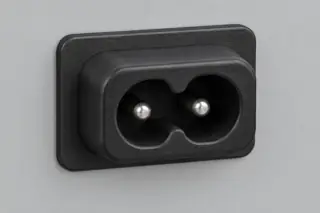 Computer-generated illustration
P214 / Power / Connector
The two-contact outline is an identification clue, not electrical approval.
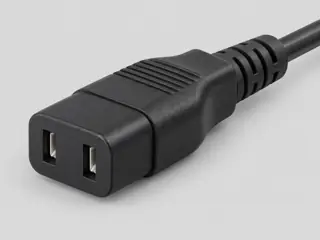 Computer-generated illustration
P301 / Power / Connector
IEC coupler identity and family rating context do not by themselves establish appliance voltage, cord-set approval, wiring, safe substitution or installation suitability.
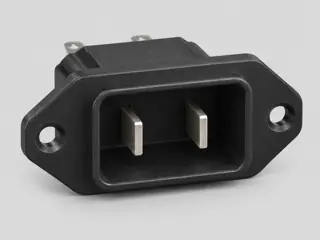 Computer-generated illustration
P302 / Power / Connector
IEC coupler identity and family rating context do not by themselves establish appliance voltage, cord-set approval, wiring, safe substitution or installation suitability.
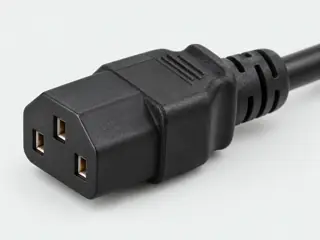 Computer-generated illustration
P179 / Power / Connector
A C13/C14 shape match identifies a coupler family, not the appliance voltage, current or safety approval.
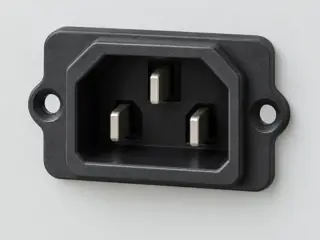 Computer-generated illustration
P180 / Power / Connector
An inlet outline does not establish the connected equipment rating or approved cord set.
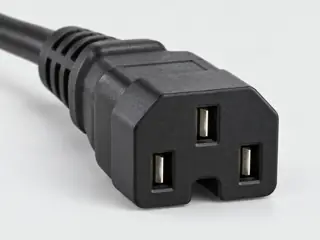 Computer-generated illustration
P181 / Power / Connector
The hot-condition family distinction matters; a similar rectangular appliance coupler is not automatically interchangeable.
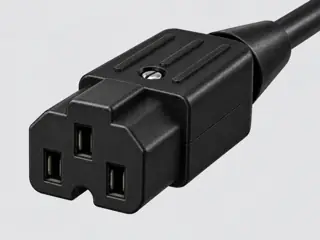 Computer-generated illustration
P303 / Power / Connector
IEC coupler identity and family rating context do not by themselves establish appliance voltage, cord-set approval, wiring, safe substitution or installation suitability.
 Computer-generated illustration
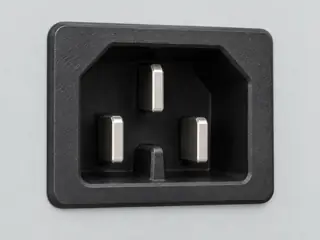
P182 / Power / Connector
A similar IEC outline does not establish that a C13 cord connector is the intended mating part.
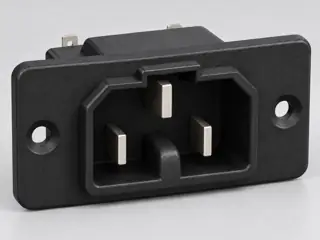 Computer-generated illustration
P304 / Power / Connector
IEC coupler identity and family rating context do not by themselves establish appliance voltage, cord-set approval, wiring, safe substitution or installation suitability.
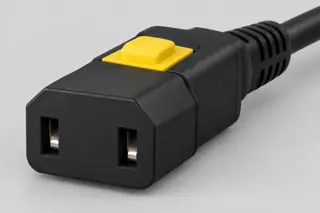 Computer-generated illustration
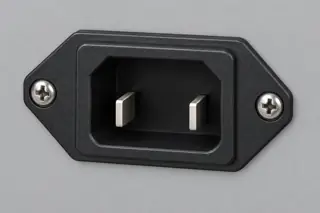
P215 / Power / Connector
Do not substitute C17/C18 merely because another IEC coupler looks similar.
 Computer-generated illustration
P216 / Power / Connector
An IEC 60320 inlet designation must be matched to the product documentation, not guessed from silhouette.
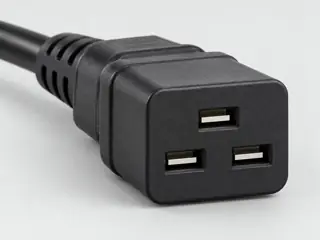 Computer-generated illustration
P183 / Power / Connector
Larger appliance-coupler geometry does not by itself establish a safe load or installation rating.
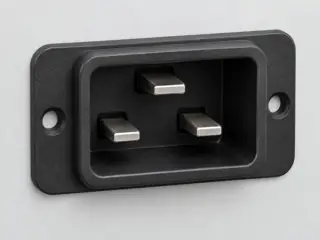 Computer-generated illustration
P184 / Power / Connector
Connector-family identification does not approve a cord, branch circuit or equipment load.
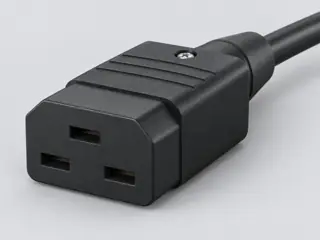 Computer-generated illustration
P305 / Power / Connector
IEC coupler identity and family rating context do not by themselves establish appliance voltage, cord-set approval, wiring, safe substitution or installation suitability.
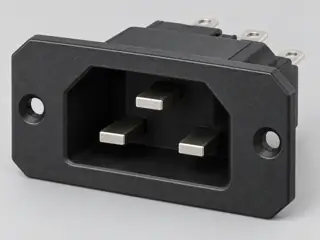 Computer-generated illustration
P306 / Power / Connector
IEC coupler identity and family rating context do not by themselves establish appliance voltage, cord-set approval, wiring, safe substitution or installation suitability.
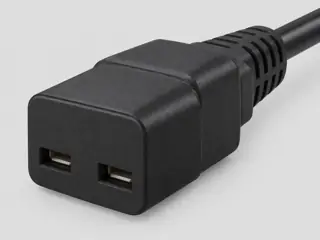 Computer-generated illustration
P307 / Power / Connector
IEC coupler identity and family rating context do not by themselves establish appliance voltage, cord-set approval, wiring, safe substitution or installation suitability.
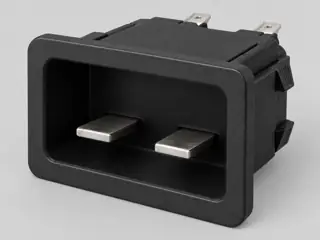 Computer-generated illustration
P308 / Power / Connector
IEC coupler identity and family rating context do not by themselves establish appliance voltage, cord-set approval, wiring, safe substitution or installation suitability.
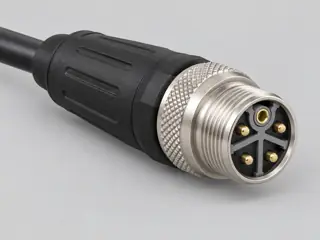 Computer-generated illustration
P268 / Power / Connector
A familiar shell, blade or coding family does not establish voltage, current, wiring, grounding, mating or safe operation.
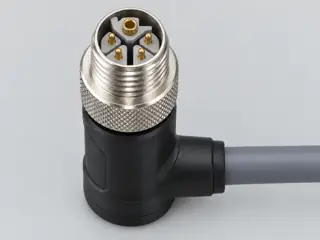 Computer-generated illustration
P253 / Power / Connector
Power connector identity is not authorization to mate two devices. Voltage, current, conductor size, protection and equipment requirements must all be checked independently.
 Computer-generated illustration
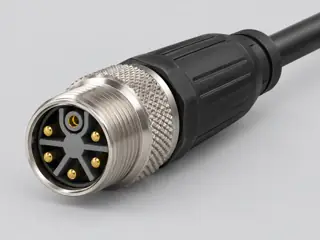
P269 / Power / Connector
A familiar shell, blade or coding family does not establish voltage, current, wiring, grounding, mating or safe operation.
 Computer-generated illustration
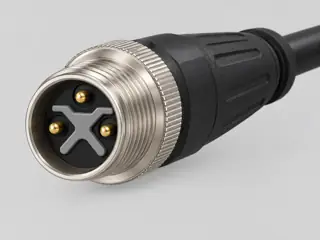
P265 / Power / Connector
A familiar shell, blade or coding family does not establish voltage, current, wiring, grounding, mating or safe operation.
 Computer-generated illustration
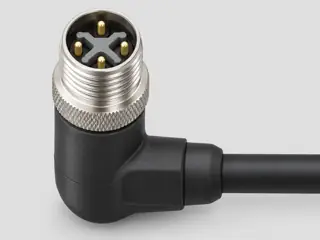
P266 / Power / Connector
A familiar shell, blade or coding family does not establish voltage, current, wiring, grounding, mating or safe operation.
 Computer-generated illustration
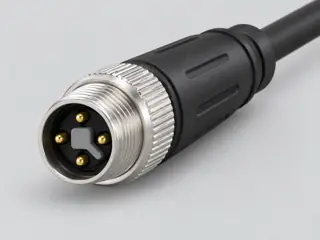
P267 / Power / Connector
A familiar shell, blade or coding family does not establish voltage, current, wiring, grounding, mating or safe operation.
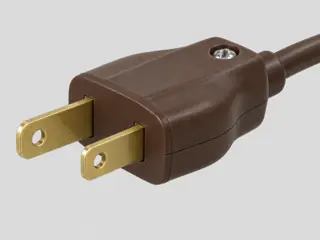 Computer-generated illustration
P271 / Power / Connector
A familiar shell, blade or coding family does not establish voltage, current, wiring, grounding, mating or safe operation.
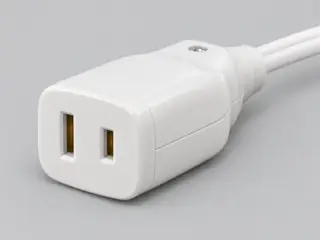 Computer-generated illustration
P272 / Power / Connector
A familiar shell, blade or coding family does not establish voltage, current, wiring, grounding, mating or safe operation.
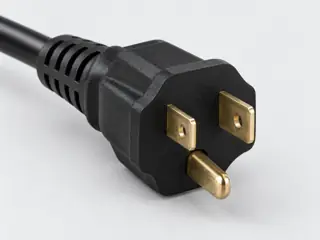 Computer-generated illustration
P185 / Power / Connector
A familiar household plug shape does not establish that a device is safe for a given circuit or region.
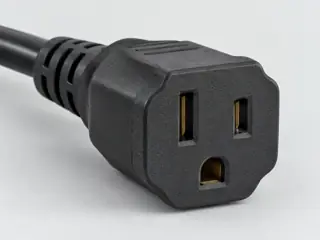 Computer-generated illustration
P186 / Power / Connector
A receptacle outline does not establish branch-circuit capacity, condition or code compliance.
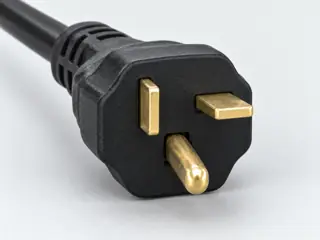 Computer-generated illustration
P187 / Power / Connector
The rotated blade is an identification clue, not permission to modify an outlet or adapter.
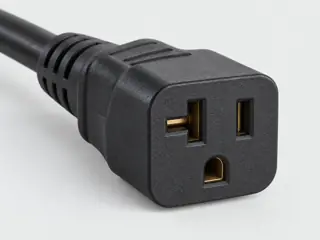 Computer-generated illustration
P188 / Power / Connector
The T slot helps identify a receptacle family; it does not establish circuit condition or installation compliance.
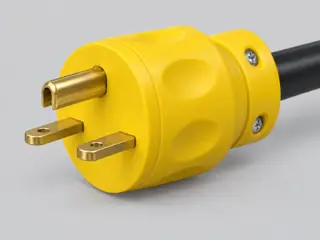 Computer-generated illustration
P273 / Power / Connector
A familiar shell, blade or coding family does not establish voltage, current, wiring, grounding, mating or safe operation.
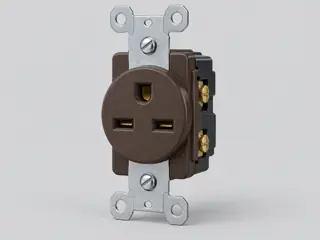 Computer-generated illustration
P274 / Power / Connector
A familiar shell, blade or coding family does not establish voltage, current, wiring, grounding, mating or safe operation.
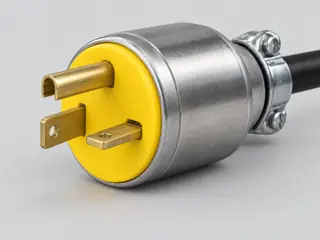 Computer-generated illustration
P275 / Power / Connector
A familiar shell, blade or coding family does not establish voltage, current, wiring, grounding, mating or safe operation.
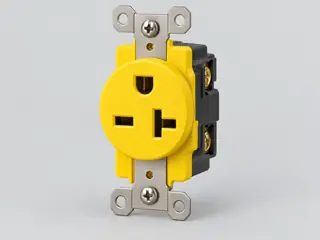 Computer-generated illustration
P276 / Power / Connector
A familiar shell, blade or coding family does not establish voltage, current, wiring, grounding, mating or safe operation.
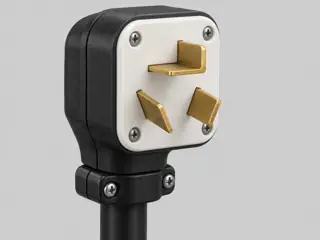 Computer-generated illustration
P287 / Power / Connector
A familiar shell, blade or coding family does not establish voltage, current, wiring, grounding, mating or safe operation.
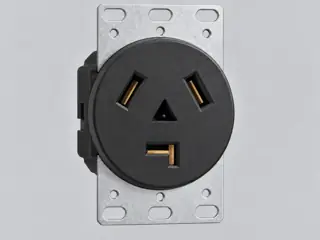 Computer-generated illustration
P288 / Power / Connector
A familiar shell, blade or coding family does not establish voltage, current, wiring, grounding, mating or safe operation.
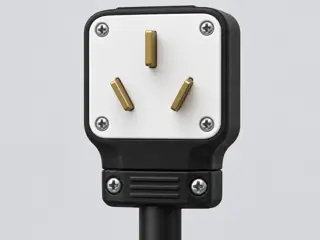 Computer-generated illustration
P289 / Power / Connector
A familiar shell, blade or coding family does not establish voltage, current, wiring, grounding, mating or safe operation.
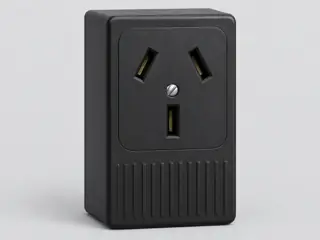 Computer-generated illustration
P290 / Power / Connector
A familiar shell, blade or coding family does not establish voltage, current, wiring, grounding, mating or safe operation.
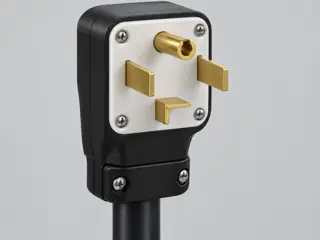 Computer-generated illustration
P277 / Power / Connector
A familiar shell, blade or coding family does not establish voltage, current, wiring, grounding, mating or safe operation.
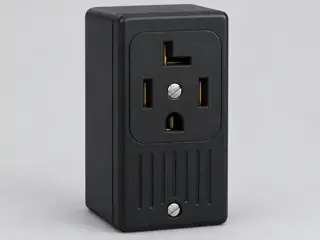 Computer-generated illustration
P278 / Power / Connector
A familiar shell, blade or coding family does not establish voltage, current, wiring, grounding, mating or safe operation.
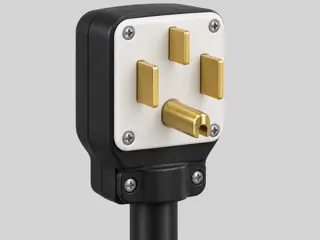 Computer-generated illustration
P279 / Power / Connector
A familiar shell, blade or coding family does not establish voltage, current, wiring, grounding, mating or safe operation.
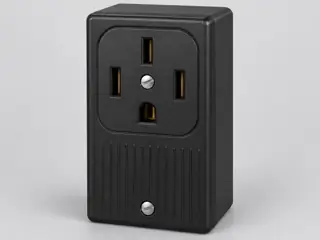 Computer-generated illustration
P280 / Power / Connector
A familiar shell, blade or coding family does not establish voltage, current, wiring, grounding, mating or safe operation.
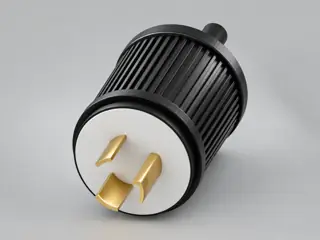 Computer-generated illustration
P217 / Power / Connector
Locking geometry and NEMA code are safety-relevant identifiers; a nearby locking form is not a substitute.
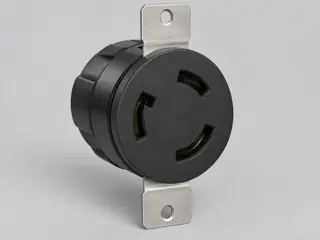 Computer-generated illustration
P218 / Power / Connector
A locking receptacle must be identified by its exact NEMA configuration before use.
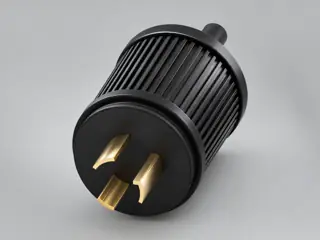 Computer-generated illustration
P219 / Power / Connector
L6-20 and L5-20 are intentionally different configurations; visual similarity is not interchangeability.
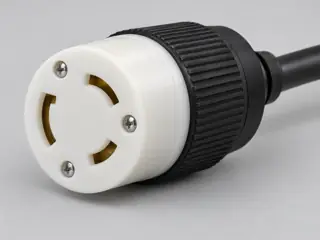 Computer-generated illustration
P220 / Power / Connector
The NEMA code, not a rough circular resemblance, controls this identification.
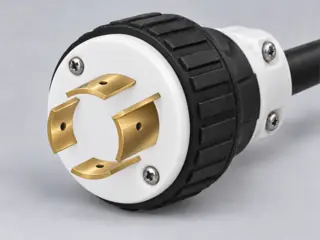 Computer-generated illustration
P283 / Power / Connector
A familiar shell, blade or coding family does not establish voltage, current, wiring, grounding, mating or safe operation.
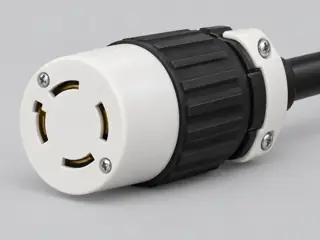 Computer-generated illustration
P284 / Power / Connector
A familiar shell, blade or coding family does not establish voltage, current, wiring, grounding, mating or safe operation.
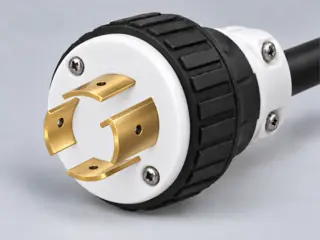 Computer-generated illustration
P285 / Power / Connector
A familiar shell, blade or coding family does not establish voltage, current, wiring, grounding, mating or safe operation.
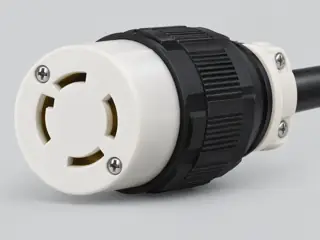 Computer-generated illustration
P286 / Power / Connector
A familiar shell, blade or coding family does not establish voltage, current, wiring, grounding, mating or safe operation.
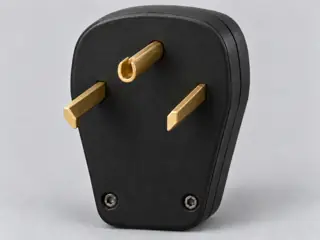 Computer-generated illustration
P281 / Power / Connector
A familiar shell, blade or coding family does not establish voltage, current, wiring, grounding, mating or safe operation.
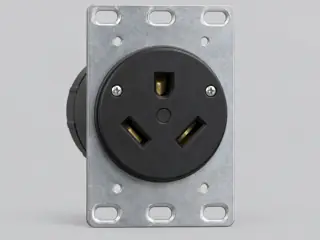 Computer-generated illustration
P282 / Power / Connector
A familiar shell, blade or coding family does not establish voltage, current, wiring, grounding, mating or safe operation.
Ethernet, PoE, fiber, modular phone and pluggable optics.
29 records
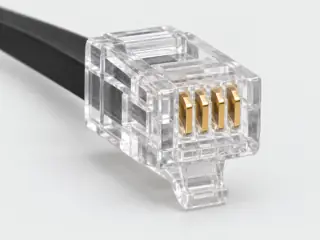 Computer-generated illustration
P113 / Telephone / Connector
Handset and telephone-line connections are different questions.
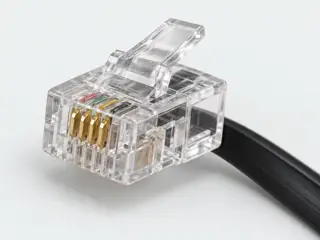 Computer-generated illustration
P111 / Telephone / Connector
Count positions and contacts separately.
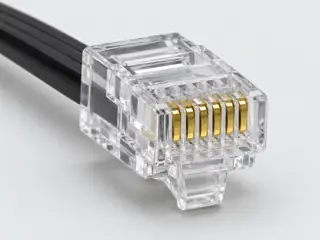 Computer-generated illustration
P112 / Telephone / Connector
Same position count can hide a different populated layout.
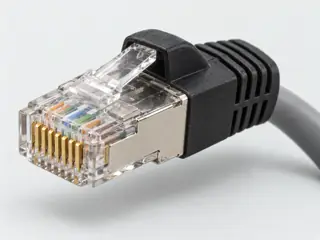 Computer-generated illustration
P018 / Network / Connector
An RJ45-shaped port is not always an Ethernet port.
 Computer-generated illustration
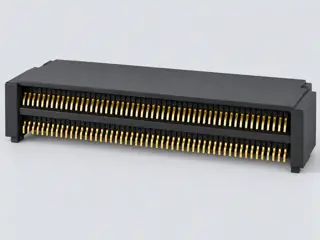
P222 / Pluggable I/O / Connector
CFP2 form factor identity does not by itself establish the optical module type or implemented link standard.
 Computer-generated illustration
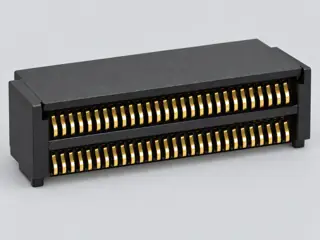
P223 / Pluggable I/O / Connector
CFP4 and CFP2 are different host interfaces even when both appear in high-speed optical systems.
 Computer-generated illustration
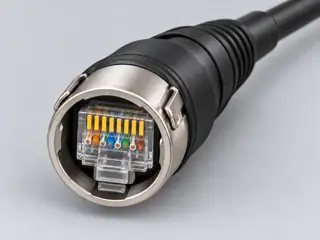
P255 / Network / Connector
The rugged carrier or chassis system does not change the need to verify Ethernet category, pinning, PoE and device support for the actual installation.
 Computer-generated illustration
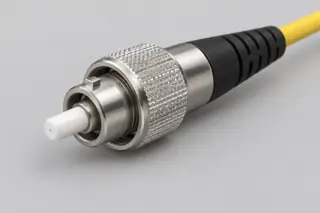
P203 / Fiber / Connector
A threaded fiber connector does not identify fiber type, polish, wavelength or link budget.
 Computer-generated illustration
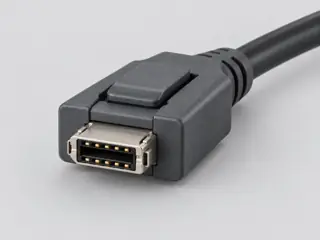
P235 / Network / Connector
ix Industrial is a connector family, not a guarantee of a specific Ethernet mode on an arbitrary device.
 Computer-generated illustration
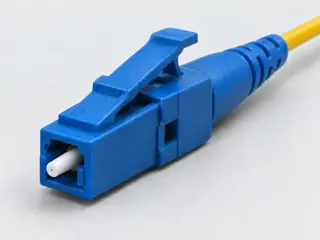
P066 / Fiber / Connector
Confirm the connector family and the optical end-face variant.
 Computer-generated illustration
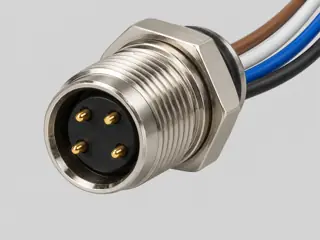
P249 / Network / Connector
The M8 threaded shell does not identify coding or function. A- and D-coded inserts are separate keyed forms.
 Computer-generated illustration
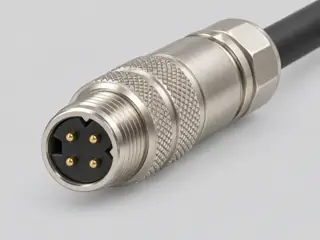
P250 / Network / Connector
M8 D-coding is a specific keyed data form; it should not be confused with same-shell A-coded M8 connectors.
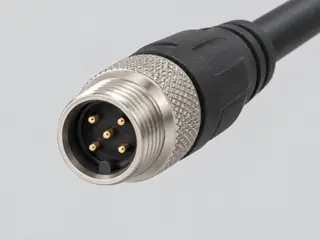 Computer-generated illustration
P251 / Network / Connector
An M12 threaded shell is only the outer family; coding and position pattern must be verified before any signal or power assumption.
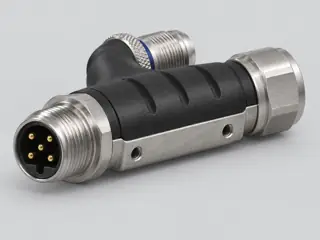 Computer-generated illustration
P252 / Network / Connector
M12 coding is part of the mechanical identity; a matching shell diameter does not imply mating or protocol equivalence.
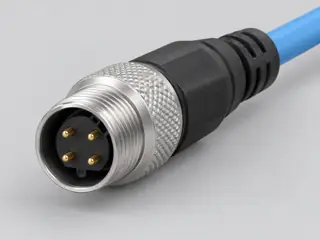 Computer-generated illustration
P233 / Network / Connector
An M12 shell does not identify the coding; D-coded and X-coded Ethernet interfaces are different keyed forms.
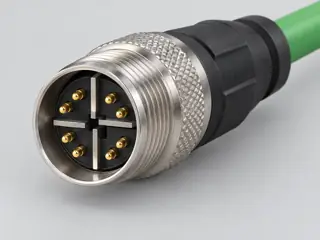 Computer-generated illustration
P234 / Network / Connector
M12 X-coded and D-coded forms differ in coding and position layout even though both use an M12 shell.
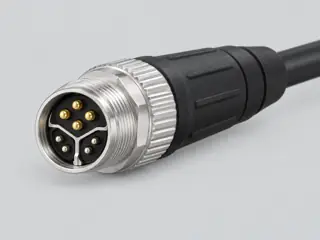 Computer-generated illustration
P270 / Network / Connector
Physical coding is an identification layer; it does not by itself establish protocol, power behavior or end-to-end compatibility.
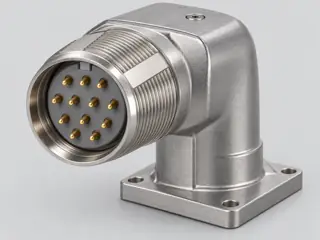 Computer-generated illustration
P254 / Network / Connector
The M23 shell family spans configurations, so a 12-position example does not establish universal wiring or electrical behavior.
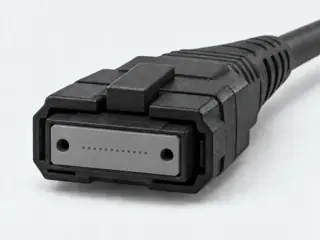 Computer-generated illustration
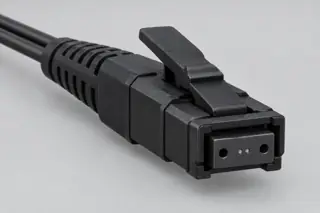 Computer-generated illustration
P204 / Fiber / Connector
Housing identification alone does not establish fiber type, polarity or optical compatibility.
 Recognition illustration · not to scale
P256 / Fiber / Connector
Fiber count and rugged shell identity do not establish fiber type, polish, wavelength, transceiver support or link budget.
 Recognition illustration · not to scale
P259 / Fiber / Connector
The word “SMPTE” in a cable-system name does not mean it mates with the SMPTE 304M camera connector. Mechanical and electrical standards must be checked separately.
 Recognition illustration · not to scale
P257 / Fiber / Connector
A similar opticalCON shell does not make DUO and QUAD the same optical interface; channel count and exact chassis/cable family must match.
 Computer-generated illustration
P221 / Pluggable I/O / Connector
OSFP is a host/module form factor; the installed module and system documentation determine the actual network technology and rate.
 Recognition illustration · not to scale
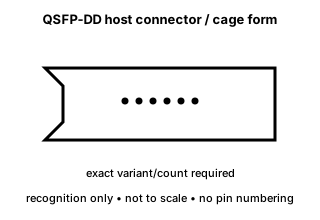
P202 / Pluggable I/O / Connector
A QSFP-DD cage outline is not a guarantee that any given module, link rate or breakout mode is supported.
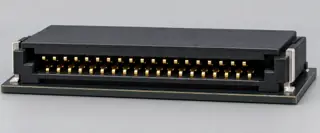 Computer-generated illustration
P201 / Pluggable I/O / Connector
A QSFP-family cage does not by itself establish Ethernet generation, optics, copper reach or module support.
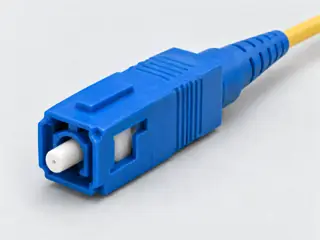 Computer-generated illustration
P067 / Fiber / Connector
Confirm the connector family and the optical end-face variant.
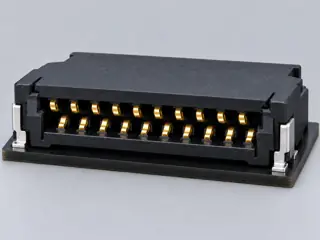 Computer-generated illustration
P200 / Pluggable I/O / Connector
The same physical module family can carry different electrical/optical standards; form factor alone does not establish link capability.
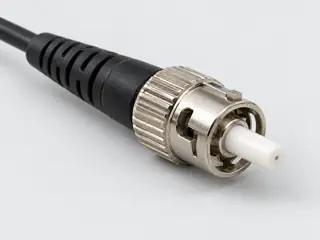 Computer-generated illustration
SATA, SAS, M.2, U.2 and memory cards.
31 records
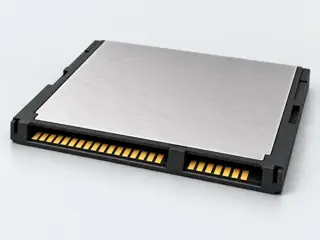 Computer-generated illustration
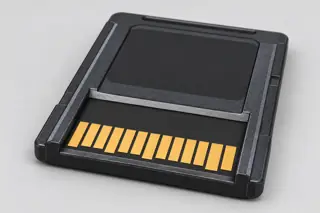 Computer-generated illustration
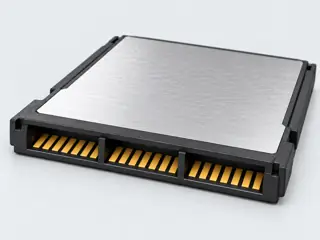 Computer-generated illustration
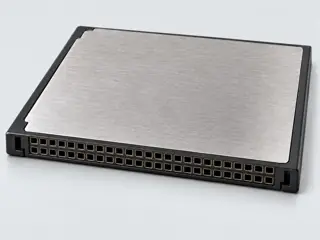
P122 / Storage / Connector
Same shell is not the same supported media.
 Computer-generated illustration
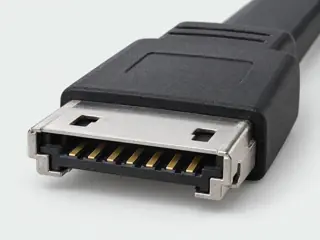
P119 / Storage / Connector
The word Compact does not identify a card interface.
 Computer-generated illustration
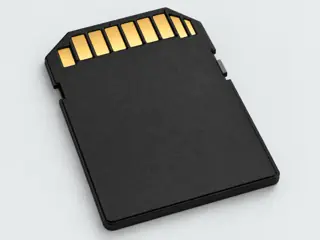
P118 / Storage / Connector
External data and external power need separate evidence.
 Computer-generated illustration
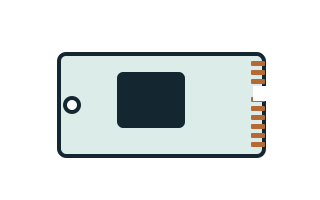
P061 / Storage / Connector
The card shape is one label; capacity and speed are separate labels.
 Recognition illustration · not to scale
P030 / Storage / Connector
M.2 is a form-factor family; NVMe describes a different layer.
 Computer-generated illustration
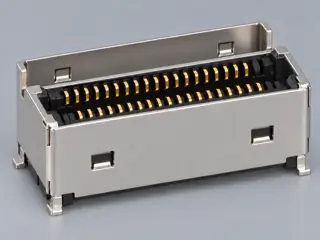
P262 / Storage / Connector
MCIO is a connector family, not one universal pin count. Exact lane configuration, cable assembly, host support and protocol must come from the specific implementation.
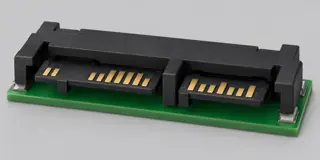 Computer-generated illustration
P199 / Storage / Connector
The word SATA describes a family; physical variants still require exact identification.
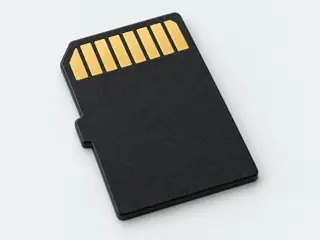 Computer-generated illustration
 Computer-generated illustration
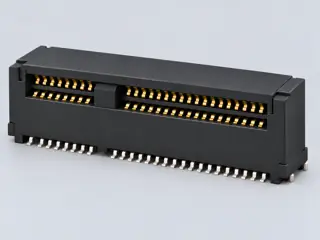
P298 / Storage / Connector
The shared 52-position socket family does not make Mini PCIe and mSATA electrically interchangeable; host implementation still controls supported signals.
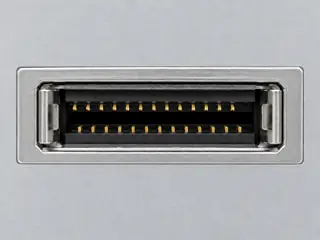 Computer-generated illustration
P237 / Storage / Connector
External Mini-SAS uses a different mechanical interface from the internal SFF-8087 form.
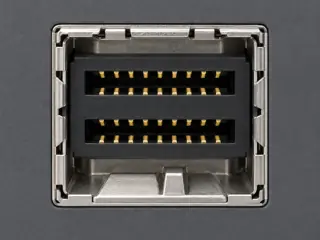 Computer-generated illustration
P239 / Storage / Connector
External Mini-SAS HD must be distinguished from both internal SFF-8643 and legacy external SFF-8088.
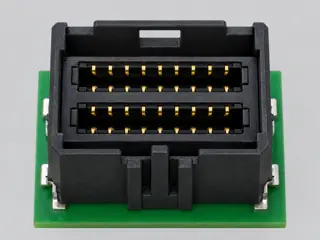 Computer-generated illustration
P238 / Storage / Connector
Mini-SAS HD is a different connector generation/form from legacy Mini-SAS even when both are used for SAS links.
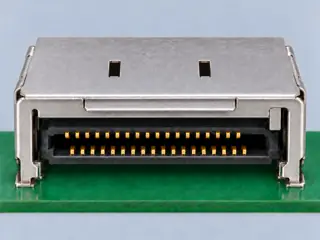 Computer-generated illustration
P236 / Storage / Connector
Mini-SAS internal and external forms are not interchangeable merely because they carry the same protocol family.
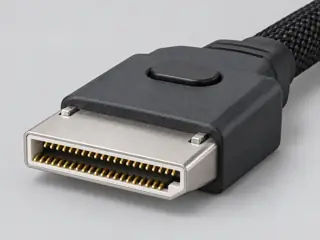 Computer-generated illustration
P240 / Storage / Connector
OCuLink identity does not establish PCIe generation, lane count, bifurcation support or device compatibility.
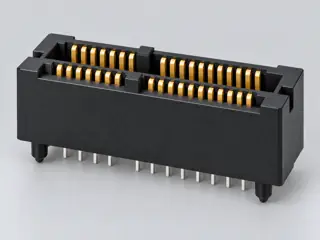 Computer-generated illustration
P295 / Storage / Connector
The x1 mechanical connector form does not establish PCIe generation, active lane width, bifurcation or platform support.
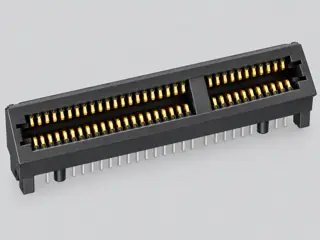 Computer-generated illustration
P296 / Storage / Connector
The x4 mechanical connector form does not establish PCIe generation, active lane width, bifurcation or platform support.
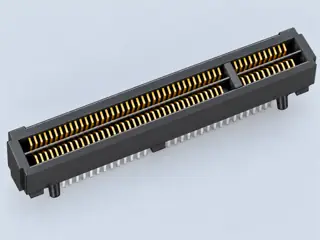 Computer-generated illustration
P297 / Storage / Connector
The x8 mechanical connector form does not establish PCIe generation, active lane width, bifurcation or platform support.
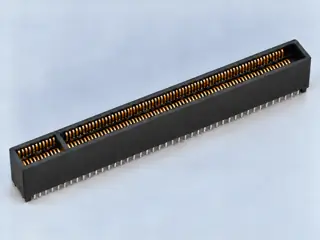 Computer-generated illustration
P261 / Storage / Connector
The x16 mechanical form does not by itself establish PCIe generation, active lane width, power budget or platform support.
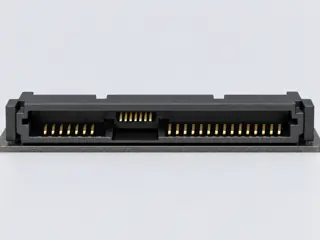 Computer-generated illustration
P196 / Storage / Connector
SAS drive connector shape should not be treated as proof that a SATA-only host or cable supports SAS.
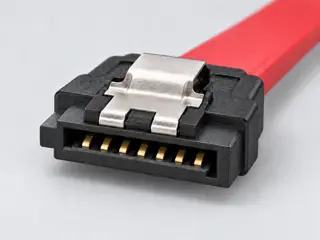 Computer-generated illustration
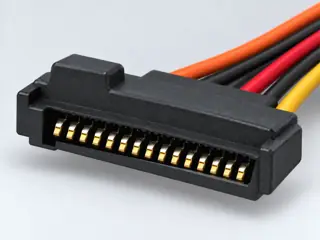 Computer-generated illustration
P194 / Storage / Connector
SATA data and SATA power are separate interfaces even when combined in one drive-side assembly.
 Computer-generated illustration
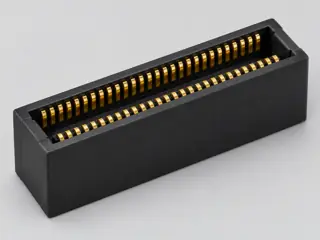
P291 / Storage / Connector
The 1C mechanical/contact form does not by itself establish an EDSFF device size, protocol generation, lane use or system compatibility.
 Computer-generated illustration
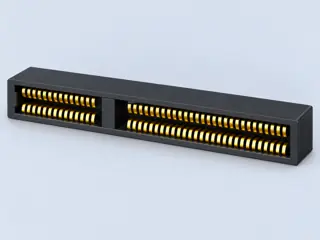
P292 / Storage / Connector
The 2C mechanical/contact form does not by itself establish an EDSFF device size, protocol generation, lane use or system compatibility.
 Computer-generated illustration
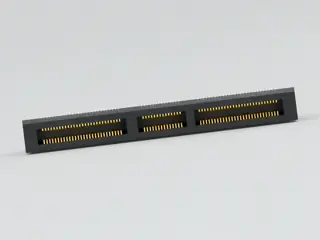
P293 / Storage / Connector
The 4C mechanical/contact form does not by itself establish an EDSFF device size, protocol generation, lane use or system compatibility.
 Computer-generated illustration
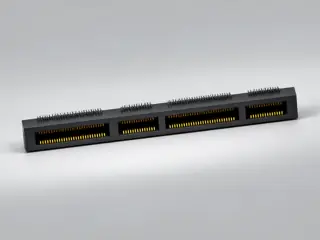
P294 / Storage / Connector
The 4C+ mechanical/contact form does not by itself establish an EDSFF device size, protocol generation, lane use or system compatibility.
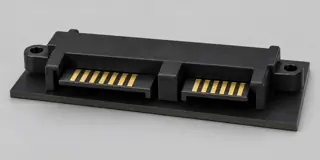 Computer-generated illustration
P195 / Storage / Connector
A smaller SATA-family outline is not the same connector as standard SATA data plus power.
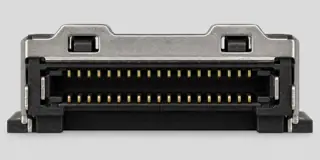 Computer-generated illustration
P197 / Storage / Connector
The family name does not identify one universal contact count or lane configuration.
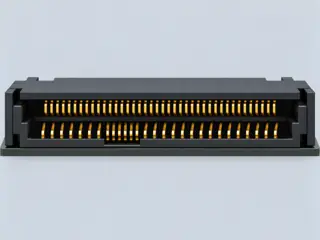 Computer-generated illustration
P198 / Storage / Connector
A shared drive-edge family does not mean every host, backplane and drive supports the same transport mode.
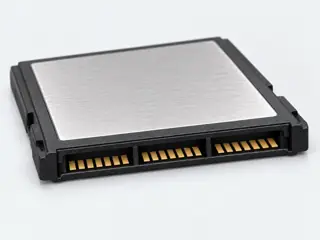 Computer-generated illustration
P123 / Storage / Connector
A shared form factor does not approve a replacement card.
Motherboard headers, PC power and wire-to-board families.
23 records
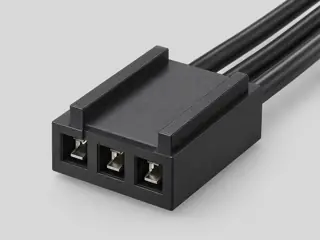 Computer-generated illustration
P343 / PC internal / Connector
Three contacts do not establish automatic speed control: the motherboard must support the correct fan-control method.
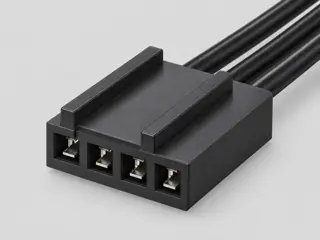 Computer-generated illustration
P344 / PC internal / Connector
Four contacts identify a candidate PWM form; they do not prove a particular board header offers PWM mode or adequate power.
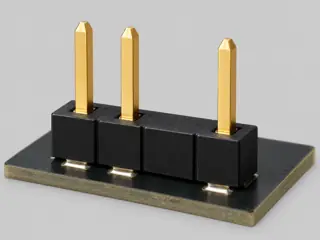 Computer-generated illustration
P348 / PC internal / Connector
Voltage and signaling class are more important than a superficial resemblance between small lighting headers.
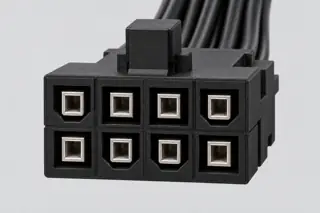 Computer-generated illustration
P190 / PC power / Connector
An eight-position PC power shell can be confused with PCIe auxiliary power; keying and device documentation matter.
 Computer-generated illustration
P347 / PC internal / Connector
Connecting a five-volt addressable LED accessory to a twelve-volt RGB header can damage the accessory.
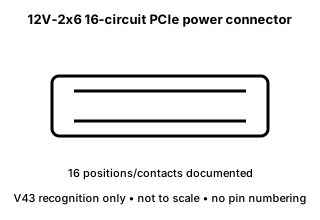 Recognition illustration · not to scale
P260 / PC power / Connector
Physical family recognition never establishes safe GPU power delivery. Cable construction, PSU/device requirements, seating and the exact specification remain safety-critical.
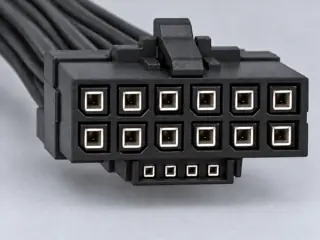 Computer-generated illustration
P193 / PC power / Connector
The newer 16-contact form is a separate connector family from the older 2x3 and 2x4 PCIe auxiliary connectors.
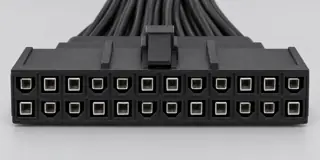 Computer-generated illustration
P189 / PC power / Connector
A 24-position shell is not enough to approve a power supply, motherboard or rewiring scheme.
 Computer-generated illustration
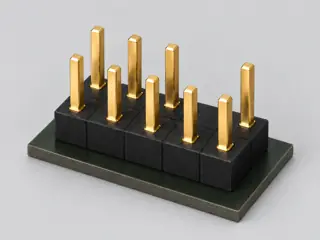
P346 / PC internal / Connector
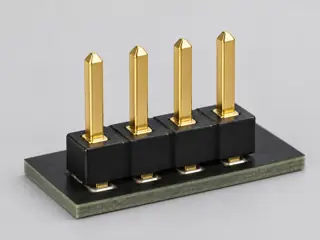
Do not identify an audio header by a 2×5 outline alone; even similarly keyed HD-audio implementations can use different pitches.
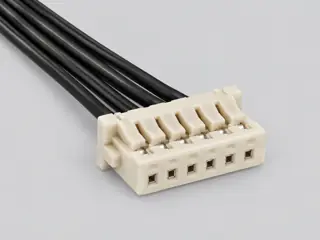 Computer-generated illustration
P360 / Hirose wire-to-board / Connector
A 1.25 mm pitch is only a family identifier: Hirose DF13 and JST GH are not an approved mating pair.
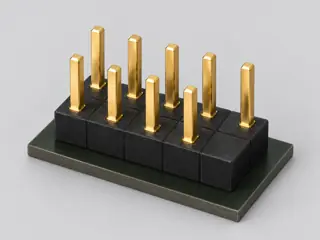 Computer-generated illustration
P345 / PC internal / Connector
A keyed header silhouette is not enough: Intel also documents a separate internal variant keyed at two positions.
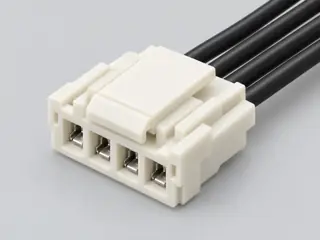 Computer-generated illustration
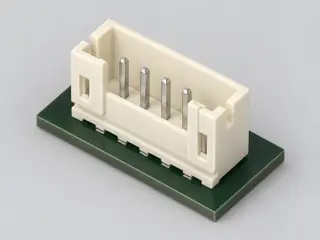
P352 / JST wire-to-board / Connector
GH’s locking arrangement distinguishes its series conceptually from the smaller friction-lock SH, but physical mating still requires exact part codes.
 Computer-generated illustration
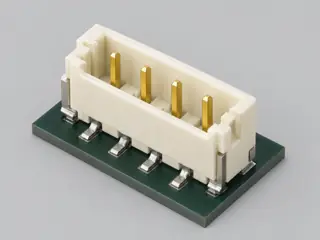
P349 / JST wire-to-board / Connector
A measured 2.0 mm pitch or white housing alone cannot establish a genuine JST PH mating pair or wiring.
 Computer-generated illustration
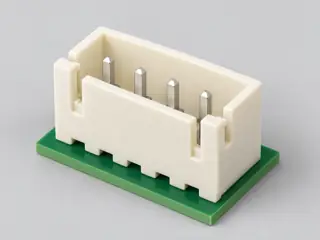
P351 / JST wire-to-board / Connector
Many miniature connectors look similar; a single 1.0 mm measurement does not establish the exact SH housing or mating header.
 Computer-generated illustration
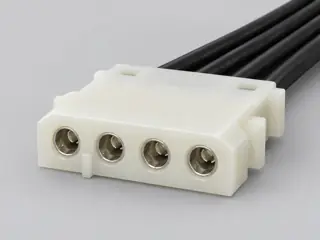
P350 / JST wire-to-board / Connector
The XH family name and nominal pitch are not interchangeable with JST PH, JST GH or generic 2.54 mm headers.
 Computer-generated illustration
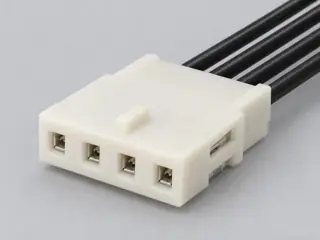
P367 / PC power / Connector
Equal counts of four contacts do not establish a safe mechanical mate, cable wiring or interchangeable equipment power connection.
 Computer-generated illustration
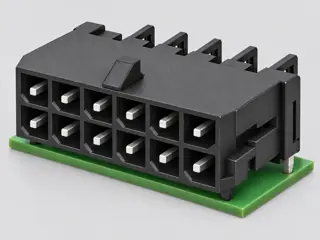
P368 / PC power / Connector
Equal counts of four contacts do not establish a safe mechanical mate, cable wiring or interchangeable equipment power connection.
 Computer-generated illustration
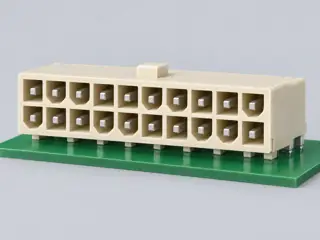
P359 / Molex Fit wire-to-board / Connector
Micro-Fit 3.0 is not Mini-Fit Jr.; similar-looking headers do not prove mating or a safe power harness.
 Computer-generated illustration
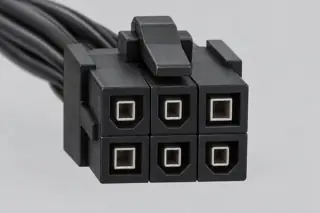
P358 / Molex Fit wire-to-board / Connector
Mini-Fit is a named family; a power-cable label or 4.20 mm measurement cannot authorize a mating or PSU wiring assumption.
 Computer-generated illustration
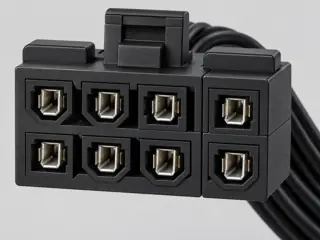
P191 / PC power / Connector
A PCIe auxiliary-power connector is not a general-purpose keyed DC connector.
 Computer-generated illustration
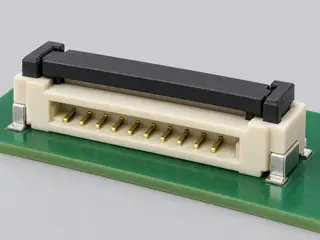
P192 / PC power / Connector
This eight-position PC power form is not interchangeable with every 8-pin CPU-power connector.
 Computer-generated illustration
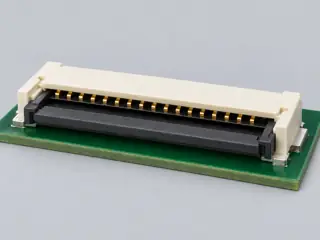
P362 / FPC / FFC (TE) / Connector
Bottom-contact is a defined part property, not a promise that any 0.5 mm ribbon fits safely.
 Computer-generated illustration
P361 / FPC / FFC (TE) / Connector
Top-contact and bottom-contact variants can look similar, but contact face and exact cable specification must match.
BNC, F-type, SMA and micro RF, FireWire and legacy computer ports.
36 records
 Computer-generated illustration
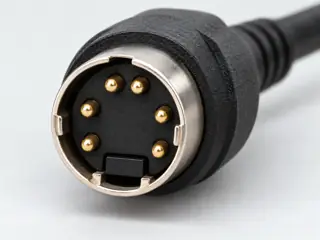
P108 / Legacy computer / Connector
A round socket still needs a port label.
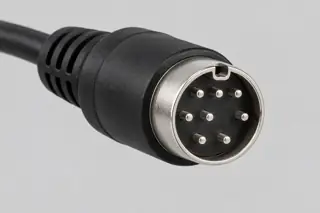 Computer-generated illustration
P210 / Legacy computer / Connector
Mini-DIN position count identifies a shell/contact form, not a universal signal standard.
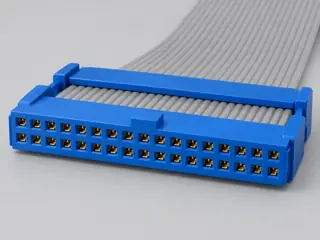 Computer-generated illustration
P243 / Legacy computer / Connector
Position count and IDC construction identify the connector form, not the signal assignment or attached device class.
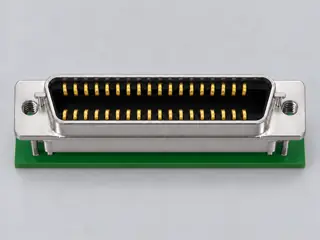 Computer-generated illustration
P248 / Legacy computer / Connector
Sharing a 36-contact count does not make MDR/1284C and CHAMP-36 the same connector.
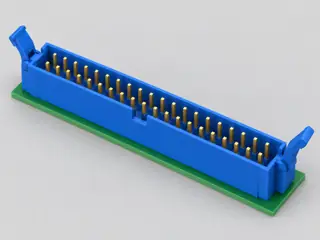 Computer-generated illustration
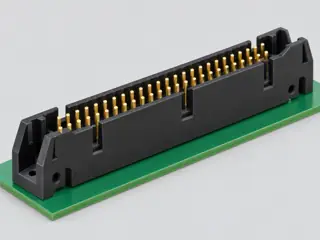
P242 / Legacy computer / Connector
A familiar 40-position ribbon form does not by itself prove ATA/PATA, GPIO or another historical bus assignment.
 Computer-generated illustration
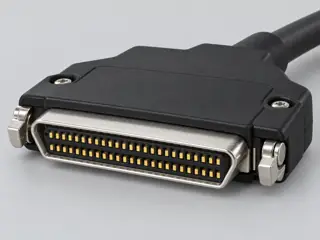
P241 / Legacy computer / Connector
Ribbon headers with the same pitch and row count can carry unrelated signals, so physical format and system role must be verified separately.
 Computer-generated illustration
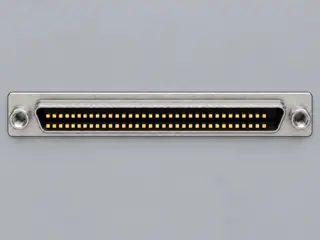
P244 / Legacy computer / Connector
The MDR family name and contact count identify a mechanical form only; cable signaling and equipment role remain implementation-specific.
 Computer-generated illustration
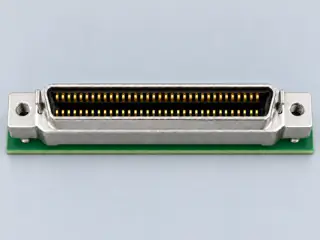
P246 / Legacy computer / Connector
A 68-contact count does not make VHDCI interchangeable with MDR or other 68-position interfaces; shell and mating family must match.
 Computer-generated illustration
P245 / Legacy computer / Connector
A 68-contact MDR shell is not the same mechanical family as VHDCI merely because both can expose 68 contacts.
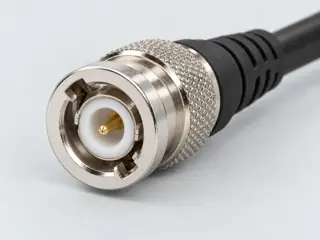 Computer-generated illustration
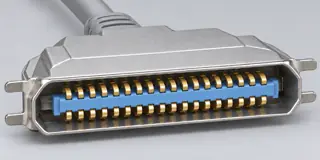 Computer-generated illustration
P209 / Legacy computer / Connector
A 36-position ribbon connector outline is not proof of IEEE 1284 mode, wiring or device compatibility.
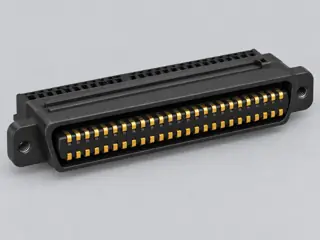 Computer-generated illustration
P247 / Legacy computer / Connector
The word “Centronics” is used loosely in legacy hardware, so the exact CHAMP position count and mechanical series should be confirmed.
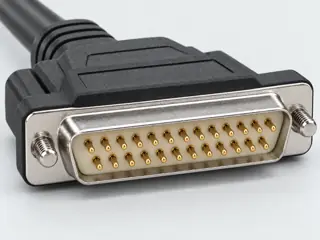 Computer-generated illustration
P115 / Legacy computer / Connector
The same shell can carry unrelated interfaces.
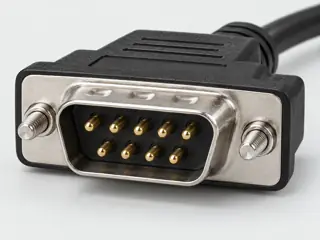 Computer-generated illustration
P114 / Legacy computer / Connector
Nine positions are not a serial pinout.
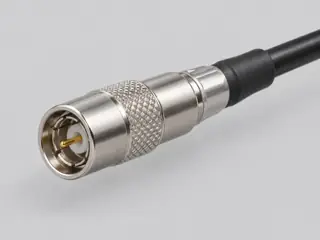 Computer-generated illustration
P232 / Coax / Connector
The compact 1.0/2.3 interface must be identified separately from BNC, HD-BNC and other dense coax families.
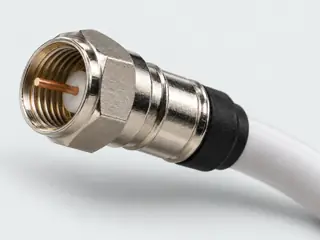 Computer-generated illustration
P065 / Coax / Connector
A television-style coax connector is not the same family as SMA.
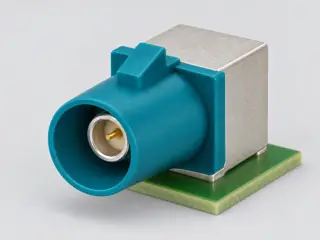 Computer-generated illustration
P366 / Coax / Connector
Read component role, complete ordering code and mechanical coding before equipment function.
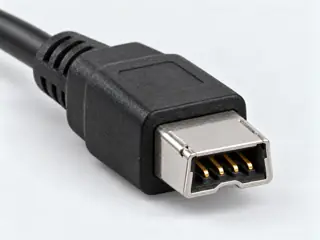 Computer-generated illustration
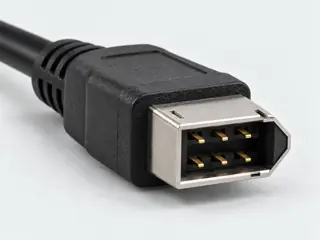 Computer-generated illustration
P106 / FireWire / Connector
Identify the generation, then verify the power arrangement.
 Recognition illustration · not to scale
P107 / FireWire / Connector
A different end does not establish software support.
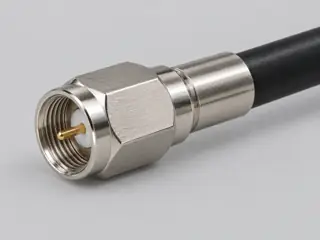 Computer-generated illustration
P365 / Coax / Connector
A threaded shell identifies a candidate family, not an approved antenna path.
 Computer-generated illustration
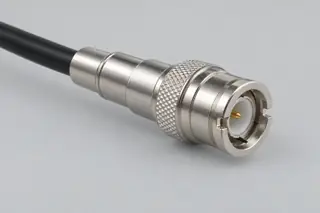
P205 / Coax / Connector
A miniature bayonet coax outline does not establish 50-ohm versus 75-ohm system compatibility or signal format.
 Computer-generated illustration
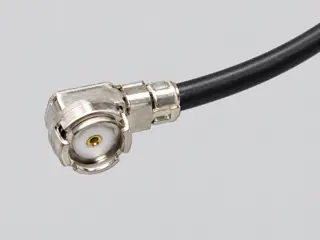
P353 / Micro RF coax / Connector
A tiny round antenna snap does not identify its series or prove that it mates with a similarly shaped I-PEX part.
 Computer-generated illustration
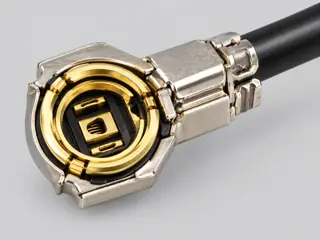
P355 / Micro RF coax / Connector
The manufacturer separately documents MHF 4L mating with MHF 4; that specific qualification is not a general MHF I or U.FL compatibility statement.
 Computer-generated illustration
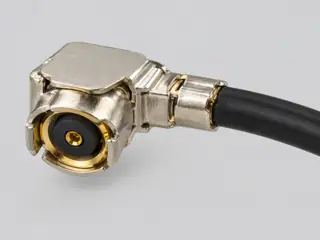
P354 / Micro RF coax / Connector
MHF I is not the same family identity as MHF 4; appearance and cable diameter alone do not certify mating.
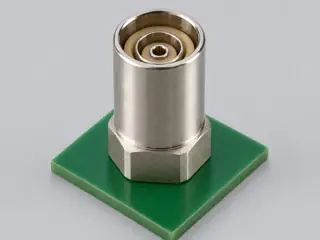 Computer-generated illustration
P314 / Coax / Connector
Triax family and impedance identify the interface class, not the camera/system standard, cable assembly, mating counterpart or complete electrical compatibility.
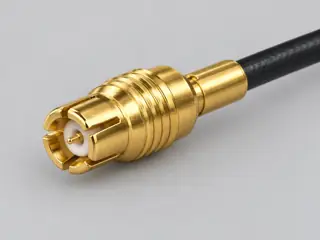 Computer-generated illustration
P228 / Coax / Connector
MCX and MMCX are distinct miniature interfaces despite similar naming and snap-on behavior.
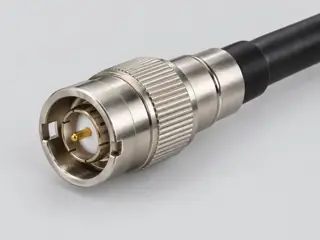 Computer-generated illustration
P231 / Coax / Connector
Mini-BNC, BNC and HD-BNC are separate interfaces despite related broadcast use and naming.
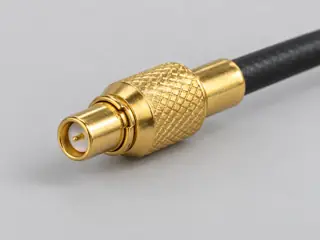 Computer-generated illustration
P229 / Coax / Connector
A smaller snap-on RF connector is not automatically MMCX; verify the exact family and mating geometry.
 Computer-generated illustration
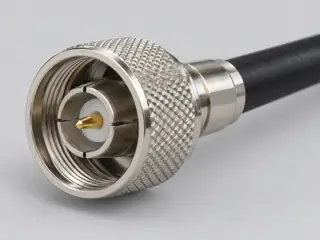
P224 / Coax / Connector
Threaded RF connectors with similar proportions can still be different interfaces; identify the family before mating.
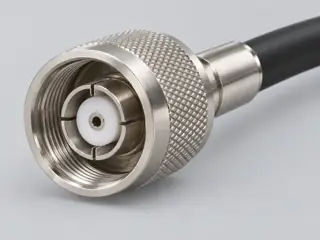 Computer-generated illustration
P225 / Coax / Connector
Reverse polarity changes the interface contact arrangement; do not assume standard N-Type mating.
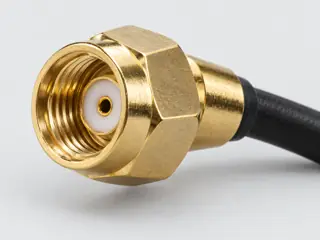 Computer-generated illustration
P064 / Coax / Connector
The outer thread alone cannot settle SMA versus RP-SMA.
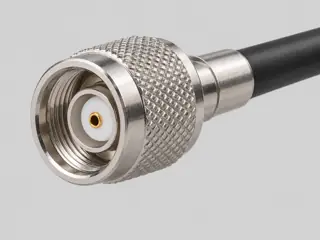 Computer-generated illustration
P227 / Coax / Connector
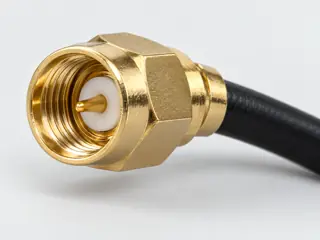
Standard TNC and RP-TNC should be distinguished before mating or specifying adapters.
 Computer-generated illustration
 Computer-generated illustration
P230 / Coax / Connector
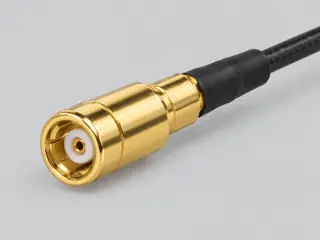
SMB identity is not evidence for impedance, frequency or cable suitability.
 Computer-generated illustration
P226 / Coax / Connector
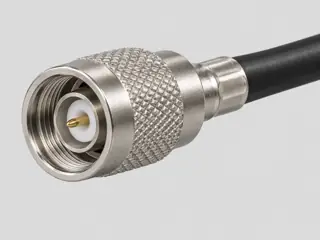
Coupling style is a useful identifier, but it does not establish impedance or system performance.
How to read labels, models, sources and failure reports.
1 record
P369 / Legacy AV / Connector
Identify the form first, then obtain the device and adapter signal/direction documentation.