Captive USB-C host cable
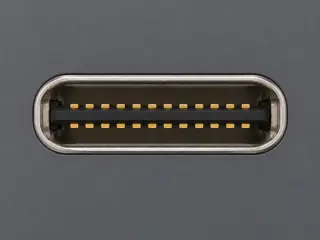
A captive USB-C cable connects the dock to Steam Deck. This is a cable end, not an additional receptacle.
Sources S072 · Connector field note
Seeds identity, connector and source link only. Task support is not inferred.
Valve / D014
Keep the captive host cable, USB-C power input, USB-A peripheral ports and display outputs separate.
Explore this device’s exact port groups →
USB-C: Captive USB-C host cable — Upstream host · USB-C power input — Power input
Do not transfer a capability from one location to another merely because the connector outline matches.
Location and role matter
Computer-generated illustration with prior AI visual review. Not a photograph, measurement or compatibility check. Independent technical and rights review pending.
A captive USB-C cable connects the dock to Steam Deck. This is a cable end, not an additional receptacle.
Sources S072 · Connector field note
Seeds identity, connector and source link only. Task support is not inferred.
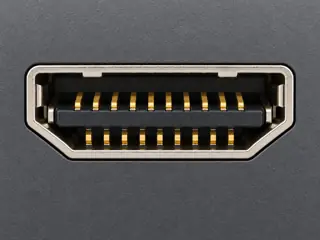
Valve lists HDMI 2.0 as a display output.
Sources S072 · Connector field note
Identification only. This port group cannot launch the scoped planner.
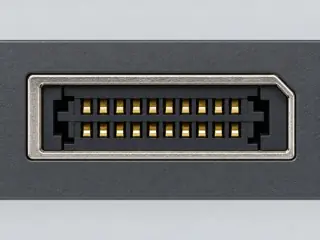
Valve lists DisplayPort 1.4 as a display output.
Sources S072 · Connector field note
Identification only. This port group cannot launch the scoped planner.
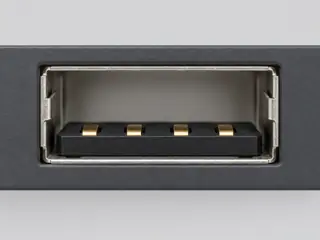
Three USB-A connections are documented as USB 3.1 Gen 1.
Sources S072 · Connector field note
Identification only. This port group cannot launch the scoped planner.
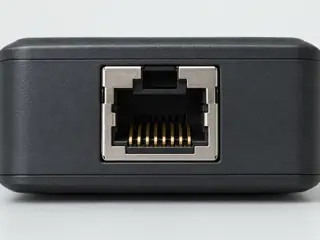
Gigabit Ethernet is listed in the networking section.
Sources S072 · Connector field note
Identification only. This port group cannot launch the scoped planner.
A separate USB-C power-delivery passthrough input is documented; this is not the captive host cable.
Sources S072 · Connector field note
Identification only. This port group cannot launch the scoped planner.
Exact-model source trail
These are the profile’s existing source records, with their original scope and access limitations. No new inspection or approval is implied.
Captive host cable versus power input; display and peripheral groups, no simultaneous-display guarantee.
Open source ↗Exact-model evidence map
4 of 6 task domains contain some exact-model evidence. The others stay explicitly undocumented.
The base device profile contains 3 selected port groups relevant to this domain, but no dedicated domain profile.
Plan next step →Topology →The base device profile contains 3 selected port groups relevant to this domain, but no dedicated domain profile.
Plan next step →Topology →No memory cards & readers-specific evidence for this exact model is represented in this release.
Plan next step →Topology →The base device profile contains 1 selected port group relevant to this domain, but no dedicated domain profile.
Plan next step →Topology →Derived from the existing device profile and domain catalogs. This layer adds no new hardware fact and does not infer compatibility from a missing or present cell.