Guide note · not an individual product specification
The useful distinction
Understand the requirement.
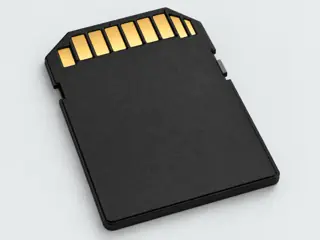
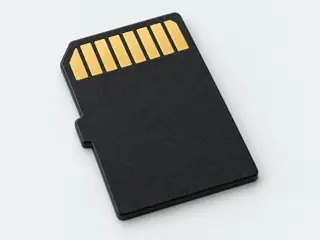
SD and microSD identify different physical forms in the SD Association overview. The rest of the card requirement still includes capacity family, bus mode and performance class. [C075A]
Bounded facts, visible unknowns
Specifications and limits
SD versus microSD: start with the form factor facts and limitations
AI-assisted inspection is not independent engineering review. Source scope and access limitations are disclosed below. Procedural checklists are editorial requirements, not hardware measurements.
C075ASource checked · pending review
SD and microSD identify different physical forms in the SD Association overview. The rest of the card requirement still includes capacity family, bus mode and performance class.
Locator: Conventional-card paragraph and form-factor table: first-row counts and UHS-II / SD Express count ranges Access: public page. Counts are scoped to named modes. The overview does not identify an exact card or host, and extra-row count does not establish implemented protocol.
Locator: Capacity ranges, file-system table and Form Factor Size rows Access: public page. Nominal card envelopes are identification aids, not mechanical tolerances, socket footprints, pad positions or formatting instructions.
Locator: Speed-class families and Best Combination between Speed Class Host and Card Access: public page. Bus modes and performance classes are distinct. Shared numeric minima across different class symbols do not guarantee the requested host class; no particular video mode is approved.
Claim scope: Named standard or manufacturer description only; procedural checks are editorial recommendations, not hardware tests.. Next review due 2026-12-30.
Computer-generated illustration with prior AI visual review. Not a photograph, measurement or compatibility check. Independent technical and rights review pending.
Assessment 2026-10-22 · earliest scheduled source review 2027-01-05. This is a recorded-date assessment, not a live source check. Page-level independent review is not established by this panel.
SD Association · Standards-organization domain · inspected 2026-10-07 · due 2027-01-05
Within inspection window
Scoped support: SD/microSD physical-form and generation-specific contact-count distinctions; no numbered assignments or fabrication drawing.
Not established / limitations: Counts are scoped to named modes. The overview does not identify an exact card or host, and extra-row count does not establish implemented protocol.
Locator: Conventional-card paragraph and form-factor table: first-row counts and UHS-II / SD Express count ranges
SD Association · Standards-organization domain · inspected 2026-10-07 · due 2027-01-05
Within inspection window
Scoped support: SD capacity/file-system classes and nominal full-size SD and microSD envelopes; not host capacity approval.
Not established / limitations: Nominal card envelopes are identification aids, not mechanical tolerances, socket footprints, pad positions or formatting instructions.
Locator: Capacity ranges, file-system table and Form Factor Size rows
SD Association · Standards-organization domain · inspected 2026-10-07 · due 2027-01-05
Within inspection window
Scoped support: Minimum sequential-performance class symbols and same-family host/card matching under defined conditions.
Not established / limitations: Bus modes and performance classes are distinct. Shared numeric minima across different class symbols do not guarantee the requested host class; no particular video mode is approved.
Locator: Speed-class families and Best Combination between Speed Class Host and Card
Trace 1 claims to their source records
C075A · P075
SD and microSD identify different physical forms in the SD Association overview. The rest of the card requirement still includes capacity family, bus mode and performance class.
Claim scope: Named standard or manufacturer description only; procedural checks are editorial recommendations, not hardware tests.
Recorded evidence only. An inspection date, publisher label, source link or generated packet is not independent technical review, hardware testing, fabrication approval or a compatibility verdict.