
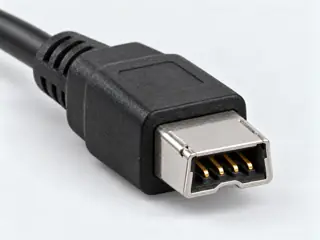
 Computer-generated illustration
P105 / FireWire / Connector form
FireWire 4-pin connector
Four contacts do not make it USB.
- Shape label
- rectangular
- Common aliases
- IEEE 1394 4 pin, i.LINK 4 pin, DV connector
- Reference depth
- Engineering profile →
Family reference
Compare the documented FireWire connector forms while keeping bus generation, power availability and device support separate.
3 forms 3 engineering profiles 1 related comparisons
Recognition & reference
Recognition illustrations are not to scale or fabrication drawings. The label-led symbols below, where present, are not interface geometry. Read the illustration limits in each exact reference; equal image boxes do not establish equal physical sizes.
Computer-generated illustrationP105 / FireWire / Connector form
Four contacts do not make it USB.
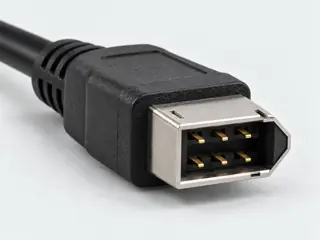 Computer-generated illustration
P106 / FireWire / Connector form
Identify the generation, then verify the power arrangement.
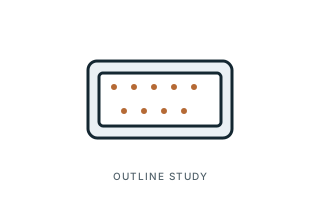 Recognition illustration · not to scale
P107 / FireWire / Connector form
A different end does not establish software support.
An alternate overview of the same facts shown in the cards. On narrow screens, scroll the table horizontally or read the cards above. Alias lists retain the existing first four entries; the full record has further detail. This is not a dimension, pinout or compatibility table.
| Connector form | Shape | Common aliases | Engineering |
|---|---|---|---|
| FireWire 4-pin connector | rectangular | IEEE 1394 4 pin, i.LINK 4 pin, DV connector | Engineering profile → |
| FireWire 6-pin connector | chamfered | IEEE 1394 6 pin, FireWire 400 connector | Engineering profile → |
| FireWire 9-pin connector | rectangular | IEEE 1394b, FireWire 800 connector, 9 pin FireWire | Engineering profile → |
Tell them apart
Related pages may include forms from another family. They explain distinctions, not permission to connect.
Similar at first glance
Before choosing a reference
Resolve abbreviations, informal names and legacy labels without treating an alias as an additional connector identity.
Open FireWire terminology and aliases →Continue with the evidence
A family name is a starting point. Use the exact record and device documentation before choosing cables or planning a connection.