Standard note · not an individual product specification
CAPABILITY DESKEvidence-scoped · DATA / MARKINGS
Read a USB data-rate label literally
A declared USB data rate describes a performance class, not the speed of every connected device. The link is bounded by both endpoints, the cable, the actual mode and workload overhead. Read USB 5Gbps, 10Gbps, 20Gbps, 40Gbps and 80Gbps as separate rate classes rather than a promise made by USB-C shape.
What still needs verification?
Confirm the computer port’s data mode and the accessory’s required USB mode.
Look for an explicit USB data-performance label or a qualified cable model specification.
Separate a signaling ceiling from measured application throughput.
Continue to the full reference
Expecting a USB-C 240W charge cable to support 40Gbps merely because it carries high power.
Not included. Check exact device and accessory documentation.
A boundary, not an omission to guess around.
This is a scoped requirements guide, not an interoperability certification. It does not test hardware, calculate an arbitrary display timing, or replace the exact product documentation. A missing capability stays unknown.
Before you connect
What to check
Record the exact advertised mode for the host, cable and peripheral.
Treat a supported-mode intersection as a prerequisite, not a measured result.
Keep storage throughput and USB signaling rate distinct.
AI-assisted inspection is not independent engineering review. Source scope and access limitations are disclosed below. Procedural checklists are editorial requirements, not hardware measurements.
C032ASource checked · pending review
USB 3.2 includes 5, 10 and 20 Gbit/s signaling modes.
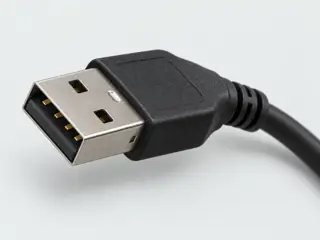
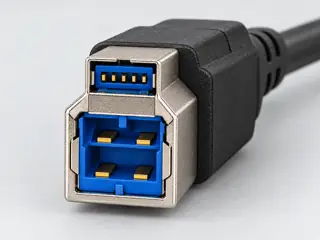
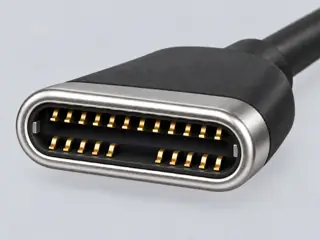
Computer-generated illustration with prior AI visual review. Not a photograph, measurement or compatibility check. Independent technical and rights review pending.
Assessment 2026-10-22 · earliest scheduled source review 2026-12-30. This is a recorded-date assessment, not a live source check. Page-level independent review is not established by this panel.
Recorded evidence only. An inspection date, publisher label, source link or generated packet is not independent technical review, hardware testing, fabrication approval or a compatibility verdict.